


When homeowners look at their pool, they notice the crystal-clear water or the beautiful stone coping. They almost never notice the thin strip of rubbery material running between the pool and the concrete deck.
That material is called mastic (or expansion joint sealant), and in Dallas, it is one of the most important parts of your pool’s structural health.
We often get asked: “It’s just a bit of caulk, right? Does it really matter if it’s peeling?”
The honest answer is: In Texas, failing mastic is a “silent killer” of swimming pools. Because of our unique soil, ignoring that little strip of rubber can lead to massive structural repairs down the road. Here is why mastic is your pool’s best friend and how to tell when it’s time for a refresh.
The Analogy: The “Shock Absorbers” for Your Backyard
To understand mastic, think of the suspension on your car. Your tires and the road are constantly fighting each other, and the shocks absorb that energy so your car doesn’t shake apart.
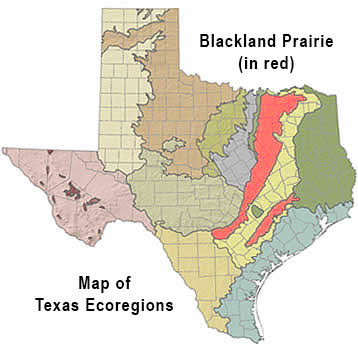
In North Texas, your pool and your concrete deck are two separate structures. Because of our expansive clay soil (often called “Blackland Prairie”), the ground is constantly moving. When it rains, the soil expands; when it’s 100 degrees in August, it shrinks.
The mastic is the “shock absorber” between your pool and your deck. It allows them to move, shift, and vibrate independently without slamming into each other. Without flexible mastic, your deck will eventually push against your pool, causing the “beam” to crack and your expensive tile to pop off.
Why Dallas Soil Makes Mastic Vital
According to the Texas A&M AgriLife Extension, the clay soil in the Dallas-Fort Worth area has some of the highest “shrink-swell” potential in the country.
When your mastic fails (cracks, peels, or pulls away), two bad things happen:
- Water Intrusion: Rainwater or pool splash-out gets behind the pool wall. This saturates the soil, causing it to swell and apply thousands of pounds of pressure to your pool’s structure.
- Freeze/Thaw Damage: During a North Texas “Blue Norther,” water trapped behind the coping freezes. As water freezes, it expands, which can literally snap the top of your pool wall (the beam) right off.
4 Signs Your Mastic Needs Replacement
You don’t need to be an expert to spot failing mastic. Take a walk around your pool and look for these “Red Flags”:
- The “Peel”: The sealant is pulling away from either the stone coping or the concrete deck.
- Cracking: The material feels brittle or has visible cracks running through it.
- Weed Growth: If you see grass or weeds growing in the gap between your pool and deck, your mastic is completely gone.
- Missing Sections: If you see deep holes where the sealant used to be, water is currently pouring into your pool’s foundation.

Missing Mastic
The Process: How We Fix It Properly
Proper pool mastic repair in Dallas isn’t as simple as squirt-and-walk-away. To ensure it lasts 5–10 years, we follow a professional process:
First, we remove every inch of the old, brittle material.
Next, we then clean the joint to ensure the new sealant can “bite” onto the stone and concrete. If needed, we install a “backer rod” (a foam rope) to ensure the joint remains flexible. This is usually required for larger joints or big cavities. If backer rod is not needed, we will instead use a sand base.
Finally, we pour a high-grade, self-leveling sealant (Sikaflex) — topped with specialized sand to match your deck and protect it from UV rays.
An Ounce of Prevention
Our goal is to help you protect your investment. A mastic repair is a relatively affordable maintenance item, but a cracked pool beam caused by failing mastic can cost upwards of $5,000 to $10,000 to repair.
During our weekly maintenance visits, we keep a close eye on your expansion joints. If we see them starting to fail, we’ll let you know immediately. It’s part of our commitment to keeping your Dallas pool beautiful and structurally sound for years to come.
Worried about your pool’s expansion joints? Contact us today at 972-325-8132 for a free mastic evaluation. We’ll make sure your pool is ready to handle whatever the Texas soil throws at it.